

Study visa
How it works
To study in Spain for 90days or more than 90 days, non-EU/EEA citizens must apply for a Type D national student visa. This visa allows individuals to stay in Spain legally while pursuing full-time studies, internships, or training at non online recognized institutions. The process involves:
University Admission : You must first be accepted into a recognized institution in Spain.
Document Preparation: Certain documents are mandatory and carry more weight, while others strengthen your application. Specific requirements may vary depending on your nationality.
- Visa Application & Entry: The process begins in your home country. The next steps depend on the visa type and the duration of your studies. While it’s possible to apply for a visa in Spain with a tourist visa or visa-free entry, it’s preferable to complete the process in your home country and not always possible.
Benefits & Drawbacks
Advantages
Spain offers more than just beautiful scenery, a student visa opens the door to quality education, part-time work, and long-term residency pathways in some cases .
- Legal residence in Spain during the study period.
- Access to a part-time work permit (up to 30 hrs/week).
- Eligibility for TIE card, a formal residence document.
- And many benefits depending on your background and study type
Disadvantages
Despite its advantages, the process can be complex and time-sensitive. Applicants must navigate strict documentation, long waiting periods, and post-arrival bureaucracy.
- Long processing time (15–60 days or more).
- Strict documentation: apostilles, sworn translations, proof of finances.
- Not all courses allow post-arrival application (e.g., language courses must apply before entering Spain).
- And certain challenges may vary based on your background and the type of program you choose.
Documentation Required
These are the foundational documents nearly every applicant must prepare, including ID, proof of finances, and insurance. However, requirements can shift based on age, length of stay, and where you’re applying from. Some documents are optional in general but become mandatory in specific situations, so this list should be seen as a strong starting point, not a complete checklist, sometimes more documents are required.
National visa application form
Type D form, filled and signed
Passport-Size Photo
Recent, white background, no accessories.
Valid Passport
At least 6 months valid, 2 blank pages.
Admission/Enrollment Letter
From a recognized school or university in Spain.
Proof of Financial Means
Minimum €564.90/month, full course duration covered.
Medical Insurance
Full coverage in Spain, including hospitalization.
Step-by-Step Process Overview
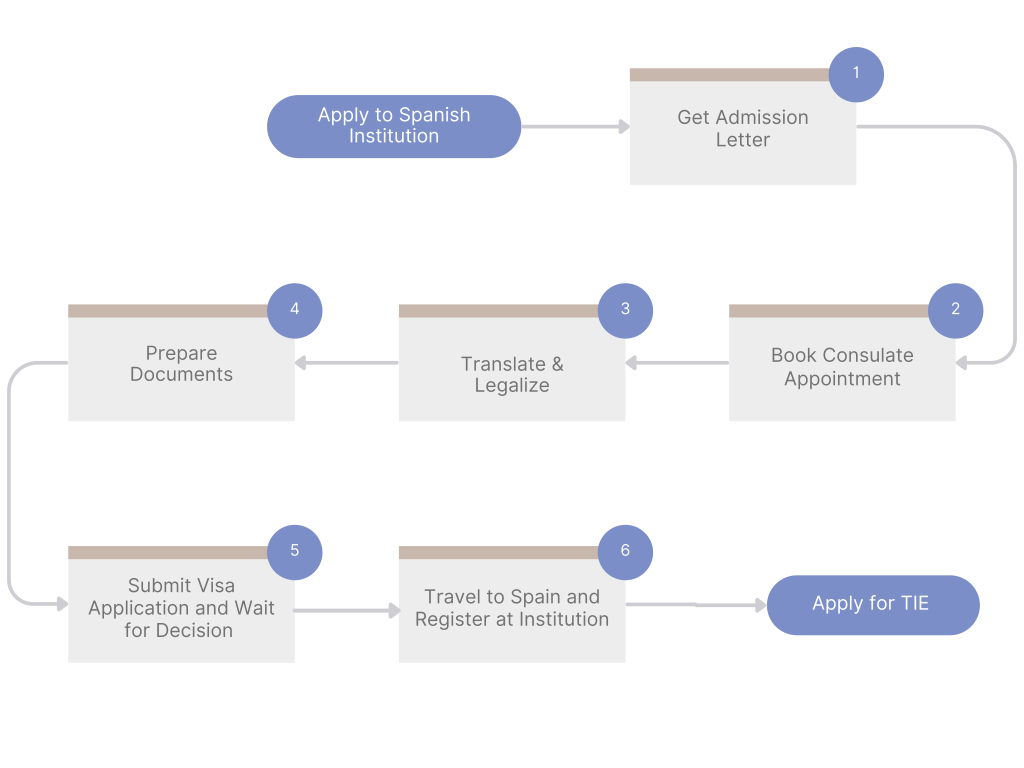
This visual guide walks you through each step of the process in a simple and easy-to-understand way. It shows how everything fits together, so you always know what’s happening and what to expect next.
Ready to start your visa journey?
Contact us today to schedule a consultation or to learn more about our services.